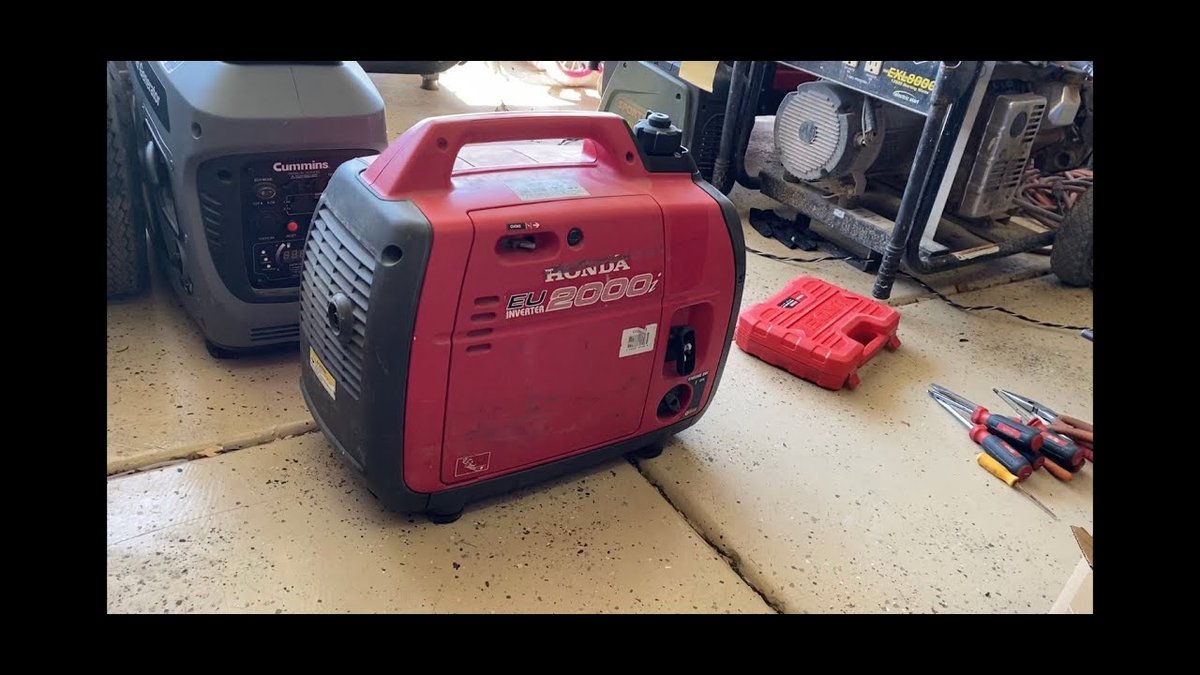
Your Honda EU2000i generator is a marvel of portable power, a trusty sidekick for everything from tailgate parties and camping trips to critical home backup during an outage. But even the best equipment needs a little love to keep purring. Mastering the essentials of Maintenance & Troubleshooting for EU2000i isn't just about extending its lifespan; it's about ensuring reliable power when you need it most. Forget fumbling with manuals or guessing; we're going to break down everything you need to know, simply and clearly.
At a Glance: Keeping Your EU2000i in Top Shape
- Routine Checks are Key: A quick look before each use can prevent bigger problems.
- Oil is Lifeblood: Change it every 50 hours or annually with SAE 10W-30.
- Clean Air Matters: Regularly inspect and clean the air filter.
- Fuel First: Use fresh, stabilized fuel to avoid carburetor woes.
- Don't Overload: Know your generator's limits (2000 watts max output).
- Low Oil Shutdown: A built-in safety, not necessarily a malfunction.
- Parallel Power: Link two units for double the output, but maintain both.
- Quiet Performer: The Eco-Throttle system reduces noise (around 53 dB) and saves fuel.
Why Your EU2000i Deserves the Best Care
The Honda EU2000i isn't just any generator; it’s known for its portability, quiet operation, and robust 98.5 cc Honda GX100 engine. It’s designed to be dependable, delivering up to 2000 watts of power. From its Eco-Throttle system, which maximizes fuel efficiency, to its automatic low oil shutdown, this unit packs intelligent features into a compact, sturdy frame.
Understanding its basic architecture helps you appreciate why certain maintenance steps are so crucial. This isn't just about fixing things when they break; it's about preventative measures that keep your investment running smoothly for years, ready to provide up to 9.6 hours of run time on its 1.1-gallon tank, depending on the load. You’ll find that a well-maintained EU2000i is an incredibly versatile and quiet power source, perfect for everything from powering small appliances to keeping your lights on when the grid goes dark. For a deeper dive into its capabilities, consider exploring our full Honda EU2000i inverter generator guide.
The Maintenance Roadmap: Keeping Your EU2000i Humming
Think of maintenance as a partnership. You do your part, and your EU2000i delivers reliable power. Most tasks are straightforward, requiring minimal tools and effort.
Pre-Use Checks: Your Quick Start Checklist
Before you even pull that starter grip, a few seconds of inspection can save you hours of frustration.
- Fuel Level: Is the 1.1-gallon tank topped up with fresh, clean gasoline? If it's been sitting for a while, consider using fresh fuel.
- Oil Level: Check the dipstick. Your EU2000i features an automatic low oil shutdown system, which is a fantastic safety feature but will prevent the engine from starting or running if the oil level is too low.
- Air Filter: A quick visual check for excessive dust or debris is a good habit.
- Connections: Ensure all electrical cords are in good condition and securely plugged into the AC outlet. Remember, the goal is a secure connection without overloading the generator.
- Placement: Always operate your generator outdoors in a well-ventilated area, far from windows and doors, to prevent carbon monoxide poisoning.
Regular Scheduled Maintenance: The Heart of Longevity
These are the tasks that truly extend the life of your EU2000i, keeping its 98.5 cc Honda GX100 engine performing optimally. Following a comprehensive maintenance schedule is your best bet for consistent performance.
1. The Oil Change: Every 50 Hours or Annually
This is arguably the most critical maintenance item. Engine oil lubricates moving parts, reduces friction, and helps cool the engine. Over time, oil breaks down and accumulates contaminants.
How-To:
- Warm Up: Run the generator for a few minutes to warm the oil, making it drain more easily.
- Position: Place a drain pan underneath the oil drain plug.
- Drain: Remove the oil drain plug and oil filler cap. Allow all the old oil to drain out.
- Refill: Reinstall the drain plug. Refill with fresh SAE 10W-30 oil, specifically a high-quality oil designed for small engines, until it reaches the upper level mark on the dipstick. For more on this, you might explore advice on the right oil for small engines.
- Check: Reinstall the filler cap and wipe up any spills.
2. Air Filter Inspection & Cleaning: Periodically
A clean air filter is vital for efficient engine operation. It prevents dust and debris from entering the carburetor and engine, maintaining optimal fuel-air mixture and preventing premature wear.
How-To:
- Access: Locate and remove the air filter cover.
- Inspect: Carefully remove the foam filter element. Check for dirt, tears, or excessive oil saturation.
- Clean: If dirty, wash the foam filter in warm, soapy water. Rinse thoroughly and allow it to air dry completely. You can also lightly oil it with a few drops of clean engine oil, then squeeze out the excess until it's just damp.
- Replace: If damaged or excessively clogged, replace the filter element.
- Reassemble: Reinstall the clean or new filter and cover.
3. Spark Plug Inspection & Replacement: Annually or as Needed
The spark plug provides the ignition spark that starts and runs your engine. A fouled, damaged, or incorrectly gapped spark plug can lead to hard starting, misfires, and reduced power.
How-To:
- Access: Disconnect the spark plug cap and use a spark plug wrench to remove the plug.
- Inspect: Check the electrode for wear, carbon buildup, or damage. The porcelain insulator should be a light tan or grayish color – a sign of healthy combustion.
- Clean/Gap: If slightly fouled, gently clean with a wire brush. Check the gap with a feeler gauge and adjust if necessary (refer to your manual for the exact gap specification).
- Replace: If the plug is heavily fouled, worn, or damaged, replace it with a new one of the correct type.
- Reinstall: Hand-tighten the new or cleaned plug, then give it a final snug turn with the wrench. Reconnect the spark plug cap.
4. Fuel Storage and Treatment: Avoid Stalling
Fuel-related issues are common culprits in generator problems. Gasoline can degrade over time, leading to gum and varnish buildup in the carburetor, especially with ethanol-blended fuels.
- Fresh Fuel: Always use fresh gasoline. Don't let fuel sit in the tank for more than a month without stabilization.
- Fuel Stabilizer: If storing the generator for more than 30 days, add a high-quality fuel stabilizer to the tank. Run the engine for a few minutes to ensure the treated fuel circulates through the carburetor.
- Drain for Long-Term Storage: For very long storage periods (over a year), it's best to drain the fuel tank and carburetor completely. This is crucial for preparing your generator for long-term storage and preventing significant issues.
Troubleshooting Common EU2000i Issues: Getting Back to Power
Even with diligent maintenance, issues can arise. Knowing how to troubleshoot effectively means less downtime and more confidence. Here are some common scenarios and their solutions.
"My EU2000i Won't Start!"
This is perhaps the most frustrating problem. Before you panic, run through this checklist:
- Is the Fuel Valve ON? Simple, but often overlooked. Ensure it's in the "On" position.
- Is the Choke Lever Set Correctly? For a cold start, set it to "Closed." Once the engine warms, move it to "Open." For a warm start, the choke should be "Open."
- Is the Engine Switch ON? Another simple one. Make sure it's firmly in the "On" position.
- Is There Enough Oil? The EU2000i's low oil shutdown system will prevent starting if the oil level is below the safe threshold. Check the oil and top it off if needed with SAE 10W-30.
- Is There Fresh Fuel? Stale fuel is a common culprit. If the fuel is old (over a month without stabilizer), drain it and refill with fresh gasoline.
- Is the Spark Plug Good? A fouled or damaged spark plug will prevent ignition. Clean or replace it as outlined in the maintenance section.
- Is the Air Filter Clean? A heavily clogged air filter can starve the engine of air, making it difficult to start.
- Carburetor Issues: If all else fails and you suspect bad fuel sat in the unit, the carburetor might be clogged. This usually requires professional cleaning or replacement, though some experienced DIYers might attempt it. More general advice on generator starting problems can be useful here.
Starting Procedure Recap:
- Ensure the fuel valve is turned on.
- Set the choke lever to "Closed" (for a cold engine).
- Turn the engine switch to the "On" position.
- Pull the starter grip firmly and smoothly.
"My EU2000i Starts But Has No Power / AC Outlets Aren't Working!"
The engine is running, but your devices aren't getting juice.
- Circuit Breaker Tripped? Your EU2000i has built-in circuit protection. Check the AC circuit breaker on the control panel. If it's tripped (usually a button that pops out), reset it. This often happens if you've overloaded the generator.
- Overload: Are you trying to power too many devices or devices with high starting wattage? The EU2000i delivers a maximum of 2000 watts. Unplug some devices and try resetting the breaker. Remember, items with motors (refrigerators, power tools) draw significantly more power during startup.
- Extension Cord Issues: Is your extension cord damaged or too long/thin for the load? Use appropriate gauge cords for the power draw and distance.
- Eco-Throttle Engaged? If the Eco-Throttle is on, the engine RPMs will fluctuate based on load. While this saves fuel and reduces noise (around 53 decibels at quarter load), it won't prevent power output. However, ensure it's not set to 'Off' if you're trying to diagnose a constant full-power issue.
"My EU2000i is Running Rough / Stalling!"
An engine that struggles to maintain a consistent RPM or unexpectedly dies points to a few common culprits.
- Fuel Quality: Again, stale or contaminated fuel is a primary suspect. Drain the old fuel and refill with fresh, stabilized gasoline.
- Clogged Air Filter: An engine needs a proper air-fuel mix. A dirty air filter restricts airflow, leading to a rich mixture and rough running. Clean or replace it.
- Fouled Spark Plug: A dirty or failing spark plug can cause misfires and rough idle. Inspect and replace if necessary.
- Carburetor Jet Clog: This is often a result of old fuel leaving deposits. The tiny jets in the carburetor can become partially or fully blocked, leading to an inconsistent fuel supply. This is a more advanced fix, often requiring disassembly and cleaning, or professional service.
- Low Oil Shutdown (Intermittent): If your oil level is borderline low, the sensor might be intermittently triggering the shutdown, especially on uneven terrain. Top off the oil.
Parallel Capability Considerations
If you're linking two EU2000i units for higher output using the parallel capability feature, remember that both generators must be in good working order. If one unit is malfunctioning, it can affect the performance of the other or the combined output. Ensure both have fresh fuel, proper oil levels, and are starting correctly before attempting parallel operation.
Safety First: Non-Negotiables for Generator Operation
No amount of troubleshooting expertise replaces fundamental safety practices. Your EU2000i has a USDA-qualified spark arrestor/muffler, making it suitable for use in national parks and forests, but proper handling is paramount. For even more detailed guidance, always refer to safe generator operation tips.
- Carbon Monoxide Danger: NEVER operate a generator indoors or in partially enclosed spaces. Exhaust contains carbon monoxide (CO), a colorless, odorless, and deadly gas. Always use it outdoors, far from windows, doors, and vents.
- Flammable Fuels: Gasoline is highly flammable. Refuel only when the engine is off and cool, and do so in a well-ventilated area away from any ignition sources.
- Electrical Safety:
- Never operate a generator in wet conditions.
- Use heavy-duty, outdoor-rated extension cords that are properly grounded.
- Avoid overloading the generator.
- If connecting to your home's electrical system, always use a transfer switch installed by a qualified electrician to prevent backfeeding into the utility lines, which can be fatal to utility workers.
- Hot Components: The muffler and engine can become extremely hot during operation and remain hot for some time after shutdown. Avoid touching them.
- Secure Placement: Place the generator on a level, stable surface where it won't tip over.
Common Questions and Quick Answers
How often should I change the oil in my EU2000i?
Every 50 hours of operation or at least once a year, whichever comes first.
What type of oil does the EU2000i use?
SAE 10W-30, specifically a high-quality oil designed for small engines.
Why does my generator shut off after a few minutes?
Most likely, the low oil shutdown system is activating. Check your oil level immediately and fill to the appropriate mark. Other possibilities include a clogged fuel filter, stale fuel, or a restricted air filter.
Can I use ethanol-blended fuel in my EU2000i?
While modern engines are generally compatible, ethanol can cause problems over time, especially if the fuel sits. Always use fresh fuel, and for storage longer than 30 days, add a good fuel stabilizer. Draining the carburetor for extended storage is ideal.
What does the Eco-Throttle system do?
It automatically adjusts the engine speed to match the load, improving fuel efficiency (up to 9.6 hours run time on a 1.1-gallon tank at quarter load) and reducing noise levels. This is why your EU2000i operates quietly at around 53 decibels.
How do I connect my EU2000i to my house?
You must use a professionally installed transfer switch. Never plug your generator directly into a wall outlet (known as "backfeeding"), as this is extremely dangerous and can damage the generator and your home's electrical system, and poses a lethal risk to utility workers. Use the provided AC outlet with appropriate extension cords for direct appliance connection.
Beyond the Basics: Your Generator's Future
Caring for your Honda EU2000i isn't just about avoiding problems; it's about maximizing your investment. This portable, sturdy, and compact power source is designed for reliability. By diligently performing routine maintenance and understanding the basics of troubleshooting, you'll ensure that your EU2000i is always ready to deliver its maximum 2000 watts of power, whether you're camping under the stars or weathering a storm.
Treat your generator right, and it will serve you faithfully for countless hours. Keep this guide handy, and you'll always have the knowledge to keep your power flowing, no matter what challenges come your way.